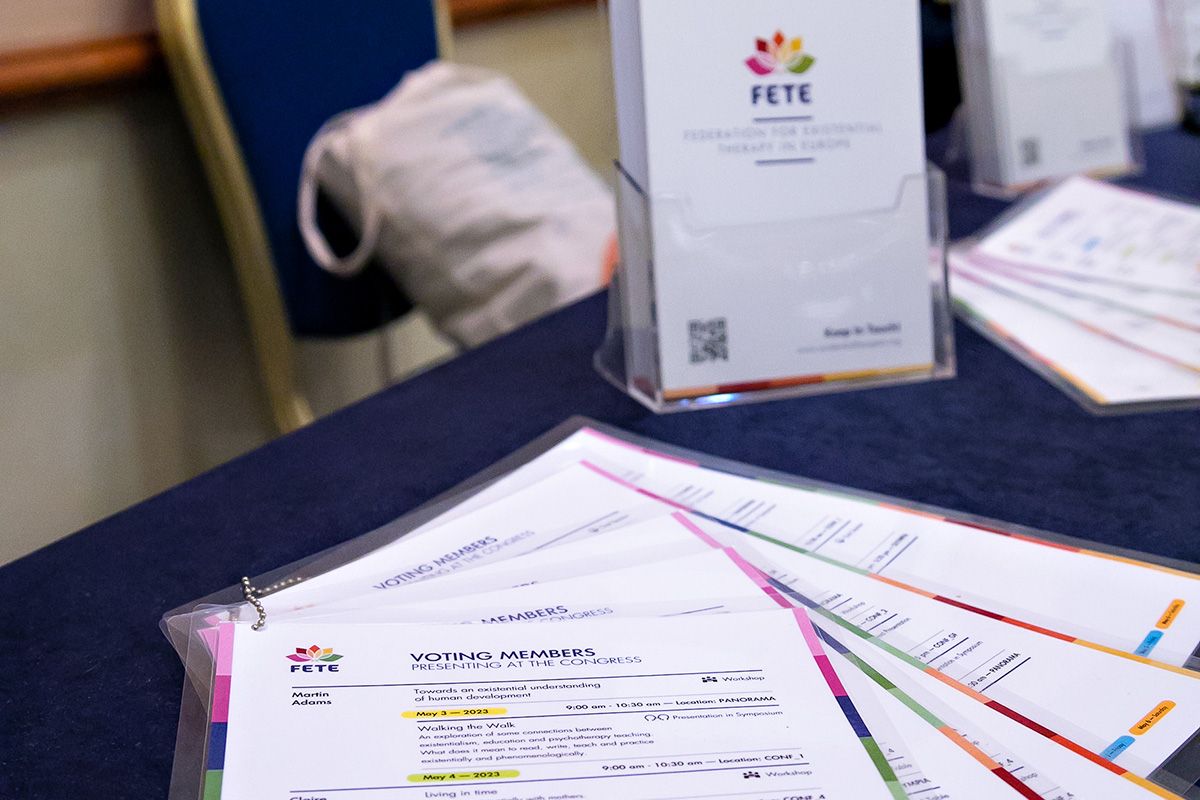
The Existential Therapeutic Competences Framework, proposed by Joel Vos, outlines four interconnected competence domains for existential psychotherapy: Generic and Basic Psychotherapy Competences, Specific Existential Competences tied to traditions, and Meta-Competences for adapting approaches. This framework aims to standardize existential therapy practices across Europe and enhance training and certification processes.
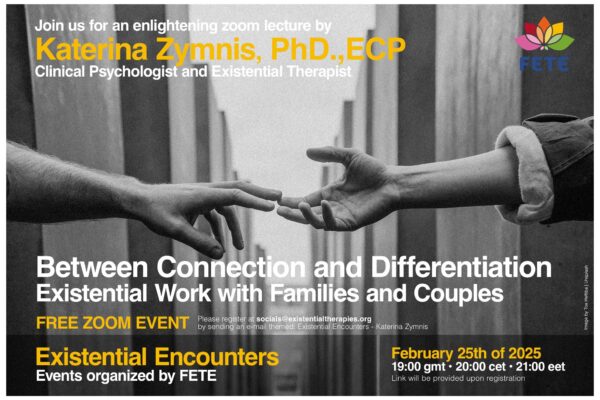
Dr. Zymnis introduces Existential Family Therapy, a groundbreaking approach that “integrates existential psychotherapy with family systems theory.” This method provides a therapeutic space where the universal existential themes of “death, freedom, isolation, and meaninglessness” are explored within the intricate dynamics of family relationships, fostering both self-awareness and authentic communication among family members.
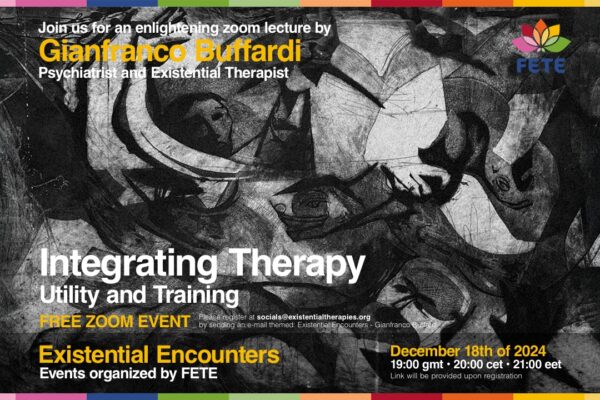
Dr. Gianfranco Buffardi, a psychiatrist and existential therapist, champions integrated therapy as “the future of therapeutic ways in psychiatry.” He argues that “Existential Therapy is the best psychotherapy to integrate with other treatments,” emphasizing that its principles foster the essential mental attitude needed for effective collaboration among mental health professionals.

Zuzana Matzova, Child and adolescent psychiatrist talks about “Existential psychotherapy for children and adolescents”.

Devang Vaidya, a person-centred and existential therapist, presents “The spillage of affect: Utterances of the unspoken.” Drawing inspiration from Samuel Beckett’s “Not-I,” Vaidya suggests that “all speech at its core remains burdened with unspoken affect.” He explores how this “affective spillage” might represent a part of the self—the “Not-I”—that therapists may overlook when focusing solely on verbal communication.

Nataly Pushkareva, a practicing existential therapist, discusses “Experience working with family archives in existential counseling and psychotherapy.” Her lecture explores how studying family history, particularly through the “Memory of Future Generations” project, serves as a vital resource for finding support and meaning during times of crisis and uncertainty.